
WASHINGTON, June 23, 2026 — U.S. President Donald Trump has claimed that Iran has agreed to allow extensive international inspections of its nuclear facilities, describing the development as a major diplomatic breakthrough. However, Iranian officials have firmly rejected the assertion, insisting that no such agreement has been reached and that nuclear inspections were not part of the recent negotiations.
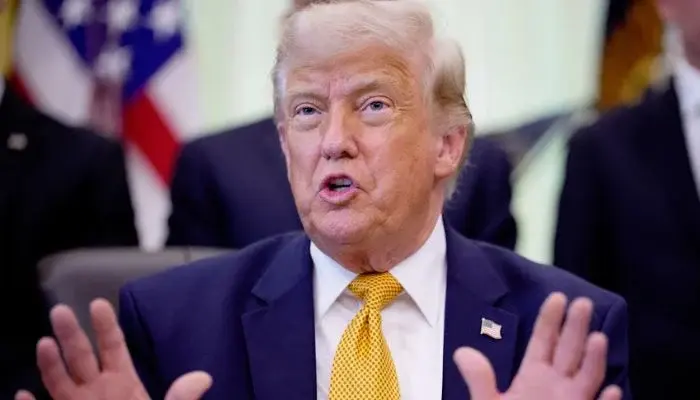
Speaking on Tuesday, Trump said Iran had accepted what he described as “major weapons inspections” that would continue “long into the future.” He argued that the arrangement would ensure transparency regarding Tehran’s nuclear activities and said the United States would closely monitor Iran’s compliance. According to Trump, the proposed inspections would be among the most comprehensive ever implemented and would serve as the foundation for future diplomatic engagement.
The U.S. president also suggested that the reported progress could pave the way for easing tensions between Washington and Tehran. He indicated that the United States had already taken steps to reduce pressure by extending a temporary sanctions waiver, allowing limited Iranian oil exports and humanitarian trade under strict financial oversight.
However, Iran quickly disputed Trump’s statements.
Iranian officials said there had been no agreement on long-term nuclear inspections and denied that discussions with the United States had included commitments regarding the return of inspectors from the International Atomic Energy Agency (IAEA). Tehran maintained that its nuclear program remains peaceful and emphasized that any future arrangements would have to respect Iran’s sovereignty and national interests.
The conflicting statements have created uncertainty over the actual progress of ongoing diplomatic efforts. While Washington has portrayed the latest talks as a significant step toward restoring confidence, Iranian officials insist that Trump’s comments do not reflect what was discussed during negotiations.
Diplomatic talks involving regional mediators have continued in recent weeks following efforts to reduce military tensions in the Middle East. Negotiators are reportedly working on several issues, including nuclear oversight, sanctions relief, maritime security in the Strait of Hormuz, and broader regional stability. Despite the disagreements over inspections, officials on both sides have indicated that communication channels remain open.
International observers say the disagreement highlights the fragile nature of the negotiations. Analysts note that while both countries appear interested in preventing further escalation, public messaging from Washington and Tehran continues to differ significantly, making it difficult to determine how close the two sides are to a formal agreement.
The International Atomic Energy Agency has not announced any new inspection agreement with Iran, and officials have yet to confirm whether additional monitoring measures are under discussion.
As negotiations continue, global markets and regional governments are closely watching developments, particularly because any agreement on Iran’s nuclear program could have major implications for Middle East security, international energy supplies, and future U.S.-Iran relations. For now, Trump’s optimistic assessment remains at odds with Tehran’s official position, leaving the status of any potential nuclear inspection deal uncertain.