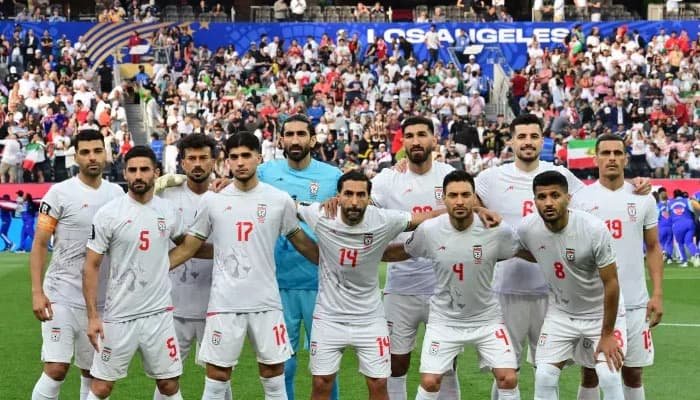
June 23, 2026 — Iran’s national football team has earned praise for its resilience at the 2026 FIFA World Cup, but players and coaches say the squad is battling challenges that extend far beyond the football pitch. From demanding travel schedules to political tensions and uncertainty surrounding their participation, Team Melli has described the tournament as both a physical and mental test.
Iran captain Mehdi Taremi recently admitted that the team’s situation has taken a heavy toll on the players, describing the World Cup experience as exhausting due to constant travel and immigration procedures.
Unlike most participating nations, Iran has not been able to establish a stable training base inside the United States. Instead, the team has been based in Tijuana, Mexico, crossing the U.S. border for matches before returning shortly afterward. The repeated international travel has significantly reduced recovery time between games, forcing players to spend valuable hours in transit instead of resting or preparing tactically.
Head coach Amir Ghalenoei said the squad had less than 16 hours to prepare for one of its group-stage matches after travel requirements cut training sessions in half. He questioned why travel arrangements were eased only for Iran’s final group game rather than throughout the tournament.
The logistical challenges have been compounded by political tensions between Iran and the United States. Several Iranian officials accompanying the team were reportedly denied entry, while visa restrictions and security procedures created uncertainty during the early stages of the tournament. These circumstances forced changes to Iran’s original World Cup plans and increased pressure on players already preparing for football’s biggest competition.
Despite these difficulties, Iran has remained competitive on the field. The team earned a valuable goalless draw against Belgium after previously drawing with New Zealand, keeping its hopes of reaching the FIFA World Cup knockout stage alive for the first time in the nation’s history.
Midfielder Alireza Jahanbakhsh said the adversity has actually strengthened the team’s unity. According to the experienced winger, the players have chosen to focus on representing all Iranians regardless of political views and remain determined to create memorable moments for their supporters around the world.
The emotional burden has also been intensified by off-field debates over the team’s symbolic role during a period of heightened political tensions. Players have found themselves at the center of discussions about national identity, government policies, and public expectations, creating additional mental pressure beyond the demands of elite sport.
In response to Iran’s complaints, U.S. authorities announced that the team would be allowed to enter the United States two days before its crucial final group-stage match against Egypt. The adjustment is expected to provide more time for training, recovery, and preparation, although Iranian officials argue similar arrangements should have been available from the beginning of the tournament.
Despite describing themselves as “physically and mentally” exhausted, Iran’s players continue to display determination on the pitch. Their performances have earned widespread respect from football fans, with many praising the team’s professionalism in difficult circumstances.
As Iran prepares for its decisive final group match, the squad hopes that improved travel arrangements and renewed focus will help transform its resilience into a historic qualification for the FIFA World Cup knockout stage.